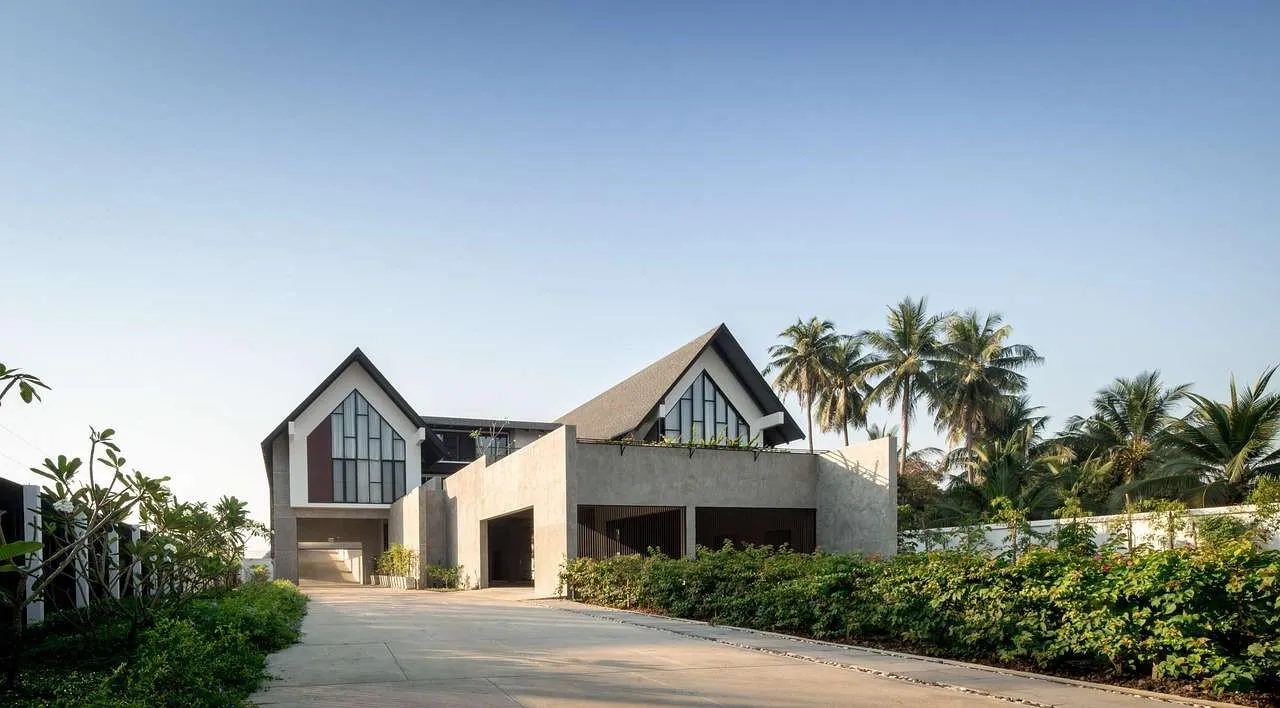
Repair of roofing is a critical home maintenance task that protects your property, comfort, and investment. This guide focuses on practical, expert approaches to roof repairs, helping homeowners distinguish between temporary fixes and lasting solutions. By outlining signs of damage, repair methods, cost ranges, and how to choose a qualified contractor, you’ll navigate roof repairs with confidence and safety.
What counts as repair of roofing?
Roof repair encompasses corrective work that restores the roof’s integrity after damage or wear. It excludes full roof replacement and cosmetic upgrades. Effective repairs address the root cause (such as a leak, damaged shingles, or faulty flashing) and create a durable seal against weather. A professional repair emphasizes proper materials, appropriate patching or replacement, and adherence to safety standards and local codes.
Common signs that your roof needs repair
- Visible leaks or staining on ceilings and walls
- Missing, cracked, or curled shingles
- Dark spots, algae growth, or mineral granules in gutters
- Damaged flashing around chimneys, vents, or skylights
- Sagging sections or soft, spongy roof deck in the attic
- Increased energy bills due to poor insulation from roof damage
Repair approaches and best practices
Effective roof repairs require evaluating the extent of damage and choosing the right method. Temporary fixes can stop leaks quickly, but long-term durability usually requires professional repair or replacement of damaged components.
Temporary vs permanent solutions
Temporary fixes include sealant applications and tarping to prevent further water intrusion while arranging a full repair. Permanent repairs involve replacing compromised shingles, resealing flashing, repairing vents, and restoring the roof deck as needed. When moisture has permeated the decking or structural components, a more comprehensive repair or partial replacement may be required.
Key materials and techniques
Common materials include asphalt shingles, metal flashing, sealants, roofing cement, underlayment, and proper fasteners. Techniques emphasize proper flashing installation, secure shingle replacement, and ensuring ventilation and drainage are preserved to prevent future leaks.
Choosing a roofing contractor: EEAT in action
Trustworthy roof repair relies on demonstrated Expertise, Authority, and Trustworthiness. Look for licensed contractors with clear warranties, verifiable project portfolios, and positive customer testimonials. Verify liability insurance, workers’ compensation coverage, and adherence to safety standards. Ask about written estimates, project timelines, and post-repair inspections to ensure accountability and quality.
Costs and planning for roof repair
Repair costs vary by region, roof type, material, and the extent of damage. Minor leaks and small patch jobs typically cost less than major shingle replacements or flashing repairs. It is prudent to obtain multiple, detailed estimates and to factor in permits, access restrictions, and potential contingencies.
| Repair Type | Typical Cost (USD) | Pros | Cons |
|---|---|---|---|
| Minor leak patch | $150–$500 | Quick fix, minimal disruption | May be temporary if underlying issues persist |
| Shingle replacement (per area) | $4–$10 per sq ft | Restores roof surface and protection | Labor-intensive for large areas |
| Flashing repair | $200–$800 | Stops leaks at joints and edges | Work around chimneys/vents can be complex |
| Vent/cap repair | $150–$500 | Maintains proper ventilation | Resealing must be precise |
| Roof deck repair | $20–$60 per sq ft | Prevents future structural damage | Costly and time-consuming |
Maintenance tips to extend roof life
- Schedule regular inspections after major storms or seasonal changes
- Keep gutters clear of debris to maintain proper drainage
- Address moss, algae, and humidity promptly to protect shingles
- Trim branches that overhang the roof to prevent impact and moisture issues
- Use quality sealants and products compatible with your roofing material
Comparison: repair vs replacement
When evaluating repair versus replacement, consider the roof’s age, extent of damage, and remaining life expectancy. Below is a concise comparison to guide decisions.
| Factor | Repair | Replacement |
|---|---|---|
| Cost (short term) | Lower upfront | Higher upfront |
| Longevity | Often 5–15 years more depending on damage | Typically 20–40+ years |
| Disruption | Smaller, shorter projects | |
| Warranty | Limited coverage | Longer warranty on materials and workmanship |
| Impact on value | Improves with proper repair | Maximizes home value when needed |
Regular inspections by a qualified contractor help determine the right path. Documentation of damage, proposed repairs, and warranties provides clarity and protection for homeowners and supports EEAT principles through transparency and accountability.
Conclusion, with proper planning, timely repairs, and professional guidance, you can maintain a secure, long-lasting roof that protects your home and peace of mind.
Summary, proper diagnosis, professional repair, and preventative maintenance are the keys to a durable roof that withstands weather and time.