Choosing bathroom tiles is about more than color and pattern. This guide, written by experienced tile professionals, offers practical guidance for homeowners and designers alike.
Why bathroom tiles matter
Tiles protect walls and floors from moisture, spills, and cleaning processes while shaping the room's feel and perceived space.
Materials
Ceramic
Ceramic tile is affordable, easy to cut, and available in many colors and finishes. It is ideal for walls and low to moderate traffic floors in bathrooms.
Porcelain
Porcelain tile is denser and more water resistant than standard ceramic. It performs well on floors and in showers but can be harder to install.
Natural Stone
Natural stone such as marble or travertine offers a luxurious look. It is porous and requires sealing and regular maintenance to prevent staining.
Glass and Other Surfaces
Glass tiles brighten spaces and are excellent for backsplashes and accent walls. They can be slippery when wet and show water marks easily.
| Material | Pros | Cons | Best Use |
|---|---|---|---|
| Ceramic | Affordable, versatile | More susceptible to chipping in high traffic | Walls and light to medium traffic floors |
| Porcelain | Durable, water resistant | Higher cost and installation effort | Shower surrounds and busy bathrooms |
| Natural Stone | Luxurious, unique | Sealing required, maintenance | Showers, floors with limited moisture exposure |
| Glass | Bright, reflective, modern | Slippery when wet; can chip | Accent walls, backsplashes |
Design and layout decisions
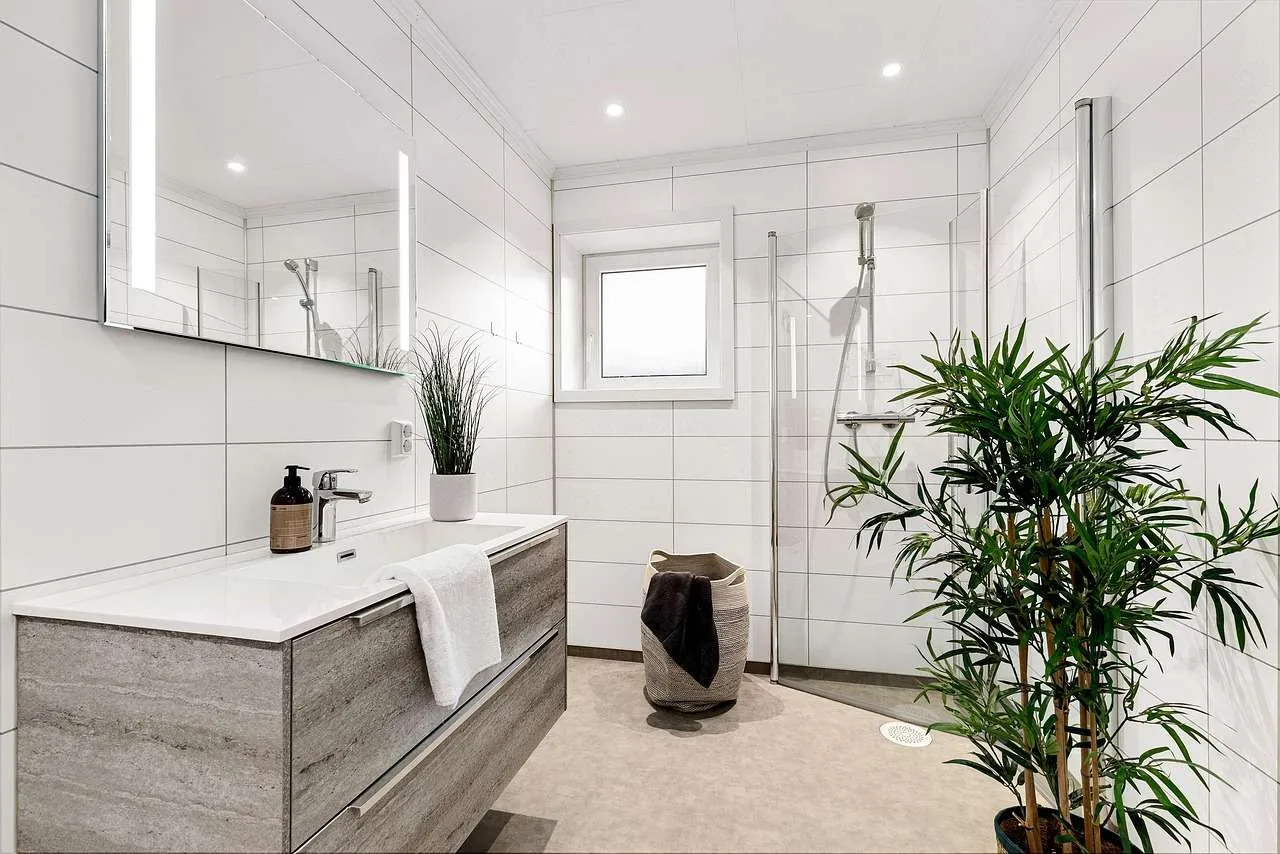
Tile size and layout influence the room’s feel. Large formats create a seamless look and reduce grout lines, while mosaics offer texture and grip for shower floors. Mixing sizes, such as a large format on the floor with a smaller accent on the wall, can add visual interest.
Grout and finishing touches
Grout color matters as much as tile color. Lighter grout can widen a small room; darker grout hides stains but may show mold more easily. For wet zones, epoxy grout or properly sealed cementitious grout improves longevity. Sealing stone tiles is essential to prevent moisture damage.
Maintenance and care
Regular cleaning with nonabrasive cleaners preserves the finish. Wipe down benches and walls after showers to minimize soap scum. Schedule periodic resealing for natural stone and be mindful of hard water deposits in certain regions.
Installation basics and hiring a pro
Substrate preparation and waterproofing are critical. A well prepared bed, proper thinset, and appropriate grout type lead to a durable installation. For most bathrooms, hiring a licensed tile installer or contractor is recommended to ensure compliance with building codes and waterproofing standards. Always review past projects and warranties, and verify insurance and license numbers.
Cost considerations
Tile prices range from affordable ceramic to premium natural stone. Labor is a large portion of the budget, often equal to or greater than material costs. Plan for thinset, waterproofing membranes, edging, and grout. Getting multiple quotes helps ensure a fair price and quality workmanship.
Trends and inspiration
Popular trends include large format tiles, wood look porcelain, matte finishes, and bold decorative mosaics. Neutral palettes with a single color accent can age gracefully, while geometric patterns can create focal points in baths and showers.
Summary: This guide covers material choices, design strategies, maintenance, installation tips, and how to work with qualified professionals to achieve durable, beautiful bathroom tiles.